What happens when real athletes go keto?
In Part 1, we examined two studies involving athletes that allegedly demonstrated positive results for ketogenic diets. Except they didn’t.
Both studies, which just happened to involve keto diet book authors, did not show tangible performance improvements. The infamous Phinney study showed marked performance declines in 2 of 5 cyclists following a keto diet, and no change in another. The improved time to exhaustion of the remaining 2 cyclists was an artifact, not of diet, but of the highly flawed study’s lack of a routine familiarization procedure.
The other study, by McSwiney et al, showed reductions in absolute power and relative power per kg of lean mass in the keto group.
These negative findings were obtained in the lab setting, while the athletes rode stationary bicycles. In their real world training, the athletes reported temporary energy crashes and a sustained worsening of their ability to perform at higher VO2max levels (for example, reduced sprinting performance).
Low-carb authors, most of whom are sedentary creatures that do not engage in high-level training, insist keto diets are fine for athletes. They casually brush off the retarded endurance performance at higher intensities as but a minor flaw, when in reality it could quite literally mean the difference between first and last place.
In their book, The Art and Science of Low Carbohydrate Performance, Volek and Phinney claim “if humans are given two or more weeks to adapt to a well-formulated low carbohydrate diet, they can deliver equal or better endurance performance compared to the best high carbohydrate diet strategy.” (Bold emphasis added)
That’s complete nonsense.
In this post, we’ll look at some real life case studies and more clinical trials that underscore why athletes should avoid ketogenic diets wherever possible.
The content below was originally paywalled.
When Dogma Meets Reality
Unlike recreational exercisers, elite athletes are much closer to their genetic performance limits. As such, they constitute a far more sensitive barometer of the effects of diet on exercise performance.
They don’t come much more elite than Eneko Llanos, the world-beating Spanish triathlete whose resume includes eight IRONMAN and two-half-IRONMAN wins. He was the Xterra cross-country triathlon world champion in 2003, 2004 and 2009. Over the years, he's won the ITU Long Distance Triathlon World Championships, the ITU Cross Triathlon World Championships, the ETU Long Distance Triathlon European Championships and the ETU Cross Triathlon European Championships.
In other words, he’s not some YouTube pretender whose athletic awesomeness is equal parts fantasy and clever marketing. Eneko Llanos is a truly world class athlete.
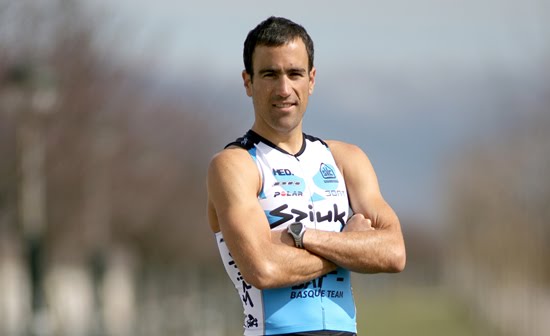
In 2018, Eneko was the subject of a case study published in the International Journal of Sport Nutrition and Exercise Metabolism. I wrote about that study at length in an article available to paid subscribers here.
To recap, Eneko decided to try a ketogenic diet after experiencing gastrointestinal issues. In the three seasons prior to commencing his low-carb experiment, Eneko experienced difficulties digesting his in-race carbohydrates and fluids. The symptoms included side stitches, stomach bloating and cramping. These side effects occurred when he competed in full Ironman events, usually after 10–15 km into the 42 km run.
In an attempt to counter these problems, Eneko decided to adopt a very low-carb/high-fat version of his usual lacto-ovo-vegetarian eating pattern. This was not a meat-rich Carnivore diet, but nonetheless a ketogenic regimen. And as I’ll explain in a coming article, whether your protein comes from beef and chicken, or eggs and whey, the overriding issue with low-carbohydrate diets is delivering sufficient glucose to exercising muscles quickly enough.
Eneko started his keto diet in mid-October 2016 and strictly maintained it for 32 weeks until the end of May 2017. His caloric intake remained the same as it was during his previous high-carb diet. His daily carbohydrate intake dropped from 638 grams to only 52 grams. His daily fat intake, in contrast, went from 98 grams to a whopping 354 grams.
In an implicit admission that carbs are crucial for athletic performance, low-carb advocates often recommend some form of “targeted” carbohydrate intake. In Eneko’s case, he was advised to consume 125, 150, and 175 g of carbs per day in the 3 days prior to half-Ironman events, and 200 and 250 g of carbs per day in the 2 days prior to full Ironman events.
He was also advised to consume 60 grams of carbohydrate per hour during the race, largely in the form of waxy maize starch* and Gu Energy gels.
The theory behind the “targeted” carbohydrate approach is that while the increased fat oxidation caused by a keto diet will reduce the need for dietary carbs, some carbohydrate utilization remains a necessity, especially at higher exercise intensities. By increasing carbs around an athletic event, these prescriptions hope to provide sufficient carbohydrate to cover the shortfall.
But does the theory actually work in practice?
Low-Carb Results in Low Performance
While following his targeted ketogenic diet, Eneko’s performance crashed like a wildly overbought stock market.
Eneko competed in three pro events in 2017 during his low-carb dietary intervention: The half-IRONMAN Buenos Aires (after 21 weeks on LCHF), IRONMAN South Africa (24 weeks on LCHF), and IRONMAN Brazil (32 weeks on LCHF).
He finished 18th in Buenos Aires (his worst-ever result in a half-IRONMAN event), and 14th in South Africa (his second worst-ever result in an IRONMAN event).
When things looked as if they couldn’t get any worse, they did. He was unable to complete the Brazil event, having to withdraw from the race after ∼100 km on the bike.
As if that didn’t suck enough, after IRONMAN South Africa, Eneko reported the same gastrointestinal problems he’d been suffering from in previous events.
To top it all off, the diet negatively affected his mental and emotional state. Eneko reported the 7.5 months of keto eating affected him negatively in his personal relationships; he felt irritable, was sometimes depressed and often in a bad mood, and overall considered the LCHF intervention “a very uncomfortable experience for his everyday life.”
At this point, Eneko had two options:
Join Active Low Carber forum in the hope of getting guidance from other low-carb dieters. This option would involve getting lectured by fat people who’d struggle to run to the end of their street and back, let alone complete an Ironman. It would involve being told stuff like “you’re not doing keto correctly!” and “you need to give it more time! Everyone knows it takes 32 years, not weeks, to become fat-adapted!”
Use his brains.
The good news is that Eneko chose option 2. He abandoned the keto diet, and his performance quickly improved. After resuming his usual lacto-ovo-vegetarian high-carb diet, his next two professional races were IRONMAN Austria (5 weeks off LCHF) and IRONMAN France (8-weeks off LCHF), in which he finished second and fourth, respectively.
On November 18, 2018, almost eighteen months after ending his disastrous low-carb experiment, Eneko pulled off his seventh full IRONMAN win at the IRONMAN Arizona.
On July 14, 2019, he pulled off a hometown victory in the IRONMAN Vitoria-Gasteiz.
These victories were achieved at the ages of 41 and 42 years, respectively. Despite qualifying as a masters athlete, Eneko continued to race and win against much younger guys. But he needed a high carbohydrate intake to do it.
Keto Diet in Kiwi Land: Still Not a Winner
In a 2017 case study, New Zealand researchers reported on five recreational endurance athletes (4 females, 1 male) who agreed to undergo a 10-week ketogenic diet intervention.
The participants, aged 49-55, were described as highly motivated athletes regularly involved in high-level competitive endurance sport for at least five years. The sports included mountain biking, road cycling, running and multi-sport events (which included running, cycling and kayaking).
The subjects were asked to continue with their existing training volumes for the duration of the intervention.
No baseline dietary data was provided, but a prerequisite for participation in the study was a habitual carbohydrate intake of no less than 45% of total energy.
During the study, participants were instructed to consume <50 g carbohydrate, 1.5 g/kg protein, and ad libitum fat daily. From week 2 onwards, blood ketones ranged from 0.5–4.2 mmol/l, indicating a high level of compliance with the prescribed diet.
The subjects underwent a performance test on three occasions: 1) one week prior to the intervention (familiarization); 2) immediately prior to the intervention (baseline), and 3) immediately after the intervention.
An incremental time to exhaustion test on a stationary cycle was employed, during which VO2peak and gas exchange thresholds were also measured. Participants were instructed to maintain a cadence of 80 RPM, while pedaling resistance was increased every 3 minutes, until volitional exhaustion.
As in previous studies, all the athletes increased their peak fat oxidation during the keto intervention, but it didn’t help their performance.
Unlike the flawed Phinney et al study I dismantled in the previous installment, this study did include a familiarization test. Which helps explain why, unlike the Phinney et al study, all participants showed a decrease in time to exhaustion with a mean and statistically significant time reduction of 2 minutes.
Overall, there were no significant changes in VO2max (mean change −1.69 ± 3.4 ml/kg/min), peak power (−18 W) and ventilatory threshold (mean change −6 W. Individually, some athletes improved their scores while others experienced no improvement.
The researchers also held a focus group at the conclusion of the intervention. The subjects reported tiredness in the first few weeks of the intervention, and a feeling of loss of power during the last few weeks. When asked about negative experiences, one subject replied of weeks 6-10: “The lack of power, I just couldn’t get up the hill.”
Despite this, at the end of the 10-week intervention the athletes spoke positively about the prescribed diet. They even expressed their intention to keep pursuing a ketogenic dietary approach.
Why on Earth would they do so after it worsened their athletic performance?
Well, during the focus group, each athlete reported the following subjective changes: “enhanced well-being, improved recovery, improved skin conditions and reduced inflammation.”
But was it nixing carbohydrates that resulted in the improvements?
It turns out “All participants were consuming high-Omega 6 industrial seed oils prior to the study (used as cooking fat and derived from processed foods). During the study these fats were replaced with coconut oil, butter and olive oil; i.e., fats containing minimal Omega 6 fatty acid content.”
It boggles this writer’s mind that in this day and age, there are still athletes who consume the omega-6-rich junk that is soya oil, corn oil, sunflower oil and all those other highly processed cooking oils that look like a mix of baby oil and urine.
The authors also speculated a reduction of “total sugar” intake contributed to the subjective health improvements. No further information is given, but all indications are that the habitual diet of these subjects was far from optimal.
And so we see a familiar pattern: People excitedly try a new diet, such as a ketogenic or vegan regimen, in the process cutting out much of the highly-processed garbage they were previously eating. They then experience subjective improvements, which they declare to be a result of eliminating - not highly processed garbage - but perfectly healthy foods like meat and non-sugar carbohydrates.
Despite their stated intention to pursue a ketogenic approach, none of the athletes were doing so when followed up 12 months later. Collectively, they reported that after the study, they gradually increased their carbohydrate intake until they felt their performance at high intensities return. At this point, they were still eating less carbohydrate and more fat than mainstream guidelines recommend, but were by no means consuming a keto diet.
Even Walking Performance is Better on a High-Carb Diet
There is little argument, at least among sane people, that ketogenic diets have a detrimental effect on exercise performed at higher levels of VO2max.
If ever there was an activity where ketogenic diets should theoretically hold their own, it is endurance race walking. Unlike other activities, competitors cannot break into a run or sprint, which means they supposedly stay away from the aerobic threshold above which glucose availability becomes a limiting factor.
In a study led by Australian Institute of Sport nutritionist Louise Burke, twenty-one male race walkers participated in a study comparing keto and high-carb diets. All had international race experience; the cohort included a seven-time Olympic and World Championship medalist from 2008–2016, a 2015 World Championship medalist, members of the second placed team from the 2016 World Walking Cup event, and holders of national and continental records.
The study took place at the AIS with participants living in athlete residences and undertaking all meals and training sessions under supervision.
The study consisted of a 3-week structured program of intensified training with testing carried out immediately before and afterwards. This intensified training block was accompanied by one of three dietary interventions:
High-Carbohydrate Diet: 60–65% carbohydrate, 15–20% protein, 20% fat, with carbs consumed before, during and after training sessions.
A Periodized High-Carbohydrate Diet with the same overall macronutrient composition as the above diet, but with carb intake altered according to daily training load and goals. During this intervention, some training sessions occurred with high muscle glycogen availability and carb intake during the session, while others were performed with low pre-exercise glycogen, overnight fasting or delayed post-session refueling.
Ketogenic diet: 75–80% fat, 15–20% protein, <50 g carbohydrate per day. This diet followed the guidelines of low-carb authors Jeff Volek and Steven Phinney, as used in the latter’s cyclist study.
During the three-week training block, weekly volume totals showed a similar overall training commitment between groups, although participants in the keto group experienced greater perception of effort throughout, often experiencing “substantial hardship” or an inability to complete training sessions as planned.
Before and after the three-week dietary intervention, the participants underwent a 3-day testing block. This included an IAAF-sanctioned 10 km race held on a 400 meter outdoor synthetic athletics track. The high-carb and periodized high-carb groups completed the second race in a significantly faster time than the first, showing 6.6% and 5.3% mean improvements.
The keto group, in contrast, experienced a mean 1.6% reduction in performance.
All subjects in the high-carb groups clocked a quicker time in the second 10 km race. The high-carb group was a mean 190 seconds faster, while the periodized high-carb group was a mean 124 seconds quicker.
In the keto group, some athletes improved their time while others were up to 208 seconds slower. Overall, the keto group was 23 seconds slower in the second race.
Also included in each three-day testing block was a graded treadmill test and a 25 km walk. Both tests showed higher heart rate and higher oxygen utilization in the keto group, at the same walking speed as the other two groups. In simple terms, the body was forced to work harder on the keto diet even when performing the same workload.
These findings mirrored those of a 2014 Polish study with competitive off-road cyclists that observed higher heart rate, higher cortisol and lowered testosterone at rest and during exercise, after four weeks on a ketogenic diet.
On a keto diet, basically, you have to work harder to deliver inferior performance. Not what any rational person would consider a good trade-off.
Adding Carbs After a Keto Diet
Just over a year after the above study, Burke et al decided to repeat their experiment - but with a twist.
This time, they wanted to see if following the keto diet with a period of high carbohydrate consumption would lead to muscle glycogen “supercompensation” and hence enhanced endurance performance.
As with the previous study, the subjects were allocated to either a high-carb, periodized high-carb, or ketogenic diet.
This time, world-class male and female race walkers were recruited to the study.
The three-week intensified training phase was followed by a taper in which training volume was drastically reduced.
After this, some subjects continued for a further week, with all athletes switching over to a high-carbohydrate diet. At the end of this week, the subjects competed in the 20 km Australian National Race Walking road championships.
Again, the keto diet was associated with greater perception of effort and an occasional inability to complete sessions as planned. This was consistently noted over the first two weeks of the intervention, returning to normal by week 3.
Again, the keto diet was accompanied by a higher heart rate and oxygen cost during exercise.
Once again, the standard and periodized high-carb diet groups clocked faster times in Race 2, with a 4.8% improvement (equivalent to 134 seconds), and 2.2% (61 seconds) improvement, respectively.
Once again, the keto group showed a worsening of performance between Race 1 and 2, with an impairment of —3.3% (86 s slower). The difference this time was that all the keto subjects posted a slower time, taking 18 to 144 seconds longer to complete the second 10 km race.
Then came the taper, followed by the week in which all groups consumed a high-carb diet prior to the 20 km Australian National Race Walking Championships. Nineteen athletes completed this additional phase of the study.
Performance in the championship race was compared to a predicted time based on performance in Race 1 (the first 10,000 m race). The 20 km performances represented 191% and 197% of the Race 1 times for the high-carb + high-carb and keto + high-carb groups, respectively.
The results show the high-carb groups improved from Race 1 to Race 2 with no further improvement to the 20 km race.
The keto group, however, improved after the carb load such that the overall gain from Race 1 to the 20 km race was similar to that achieved by the high-carb group.
This suggests a week-long carb load prior to a competitive event could greatly assist keto dieters, although it’s worth remembering that in this study, the carb-load followed a mere 25 days of keto dieting.
To put things in perspective, Eneko Llanos’ first two pro events after abandoning his 32-week keto experiment occurred 5 weeks and 8 weeks after resuming a high-carb diet. While his performances drastically improved, he noted that he still didn’t feel 100%. Almost eighteen months passed after discarding keto before he finally notched up another IRONMAN win.
A Seemingly Positive Story
In 2017, endurance coach Phil Maffetone and NZ sports researcher Paul Larsen published a paper in the International Journal of Sports Science & Coaching about a 38-year-old female professional/elite Ironman triathlete whose well-being and performance reportedly improved after commencing a ketogenic diet.
The female subject was American triathlete Amanda Stevens, who was driven to low-carb eating because of health issues. She presented with 13 years of decreased performances in the IRONMAN triathlon, coupled with “a number of physiological ailments during training and competition over the previous several years. These included severe gastrointestinal distress (vomiting and bloody diarrhea several times during all previous Ironman events), excess fatigue and exhaustion, and severe daytime hunger not completely remedied with adequate energy intake. Menstrual cycles ranged from 33 to 37 days, with significant premenstrual syndrome and dysmenorrhea.”
Amanda had also complained of pain when eating fatty foods, although a cholecystectomy reportedly found no complications. Her fasting blood glucose was elevated (103 mg/dl), suggesting issues with glycemic control, but all other laboratory test results were reportedly within normal limits.
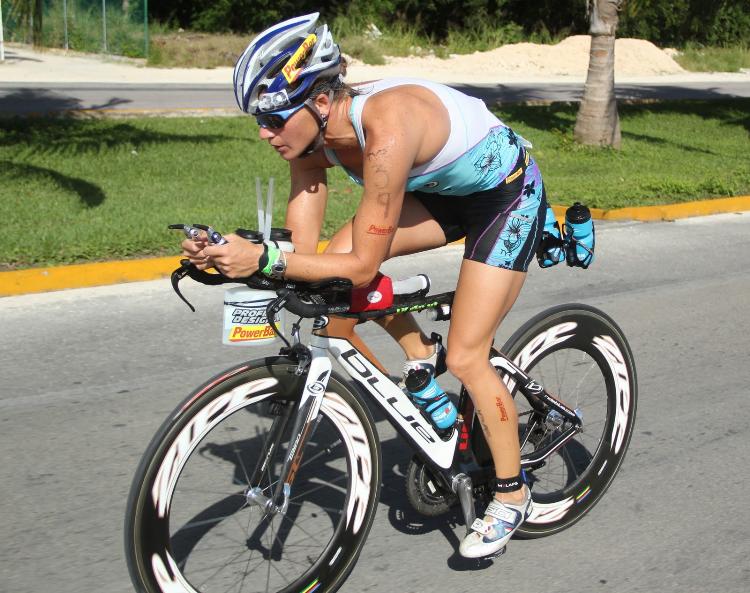
After consulting with Maffetone, the decision was made to implement a ketogenic diet. Over an initial six-week period, Amanda's dietary carbohydrate content decreased from 73 to 12%, fat content increased from 14 to 75%, while protein levels remained constant at 13%. Her self-reported average energy intake averaged around 2,700 calories per day – around 100 calories less than previously.
When reading the description of Amanda’s health issues, the mentions of “excess fatigue and exhaustion,” “severe daytime hunger not completely remedied with adequate energy intake,” and menstrual dysfunction literally scream, not “too much carbohydrate,” but “too much training!”
The likelihood of over-training was recognized by Maffetone also, and so Amanda’s total weekly training duration was initially cut from 30 hours to 18 hours, before a gradual increase in training volume to about 24 hours of total training per week over the subsequent three months.
In addition, overall training intensity was reduced slightly to a mean heart rate of 141 beats per minute, while high-intensity training was discontinued.
What this means is that the intervention to save Amanda’s triathlon career was multifaceted, involving not just dietary but also important training modifications.
Within two months of the training and dietary changes, Amanda reported "increased perception of daily energy during and between training sessions, less perceived hunger and fatigue, and reduced need for daytime naps ... Cycling power increased by 20W and run pace increased (12–15s/km) at the same HR (141 BPM) during training sessions by October 2015.”
Amanda's need to consume food and drink (except water) during long duration training gradually decreased after about eight weeks. Long rides of up to 4 hours at the training HR (141 bpm) power output no longer required peri-workout nutrieent intake. During longer weekly cycling sessions (up to 7 hours) food intake usually began around hour 4, averaging 100–200 calories/hour. These foods included "applesauce, dried fruit, energy bars, and honey-based fudge, along with a mixture of honey and coconut oil."
By the end of 2015, Amanda's menstrual symptoms had been reduced and by January 2016, her fasting blood glucose was normal (91 mg/dl).
The paper notes Amanda successfully competed in three international Ironman competitions during 2015 - in May, August and November. At the Brazil IRONMAN, she was the third female to cross the line. At Coeur d’ Alene and Arizona events, she placed second. In addition, her Brazil and Arizona times were personal bests. Signs and symptoms of gastrointestinal stress, as reported in previous events, were absent.
What Happened After 2016?
To try and ascertain the longer term effects of Amanda’s dietary intervention, I searched around online for more recent results. As I did, I discovered a somewhat less rosy picture than that painted by Maffetone and Laursen.
There were a couple of 2015 events they neglected to mention in their paper, one of which was the IRONMAN 70.3 Los Cabos on October 25, where Amanda did not make the podium, finishing 6th among the ten female competitors.
Two weeks prior to that, on October 10, Amanda competed in The Big Cahuna – the IRONMAN World Championship in Kailua-Kona, Hawaii. Unfortunately, she registered a DNF (Did Not Finish) at the event, bailing out after the initial swim leg.
Amanda’s subsequent 2016 season was a mixed bag. Her highest IRONMAN placings were a handful of 5th place finishes which, while certainly respectable, failed to replicate her promising 2015 results in Brazil, Coeur d’ Alene and Arizona. In fact, at the 2016 IRONMAN Arizona, she placed 24th among the 25 starters.
And on September 24, at the 2016 Oklahoma ITU Long Distance Triathlon World Championships, she registered another DNF.
I first read Amanda’s case study in November 2020, and couldn’t find much info on her competition results from 2017 onwards. The Pro Triathlon Stats website indicated limited participation in 2017 and a drop in Amanda’s world female IRONMAN ranking from 34 to 171.
So I emailed Amanda, receiving a reply on 18 November 2020 (Amanda’s complete reply can be viewed towards the end of my original article on Eneko). Amanda had just finished her medical residency, giving birth to two youngsters while doing so - which readily explains the lack of race activity from 2017 onwards. Her last race was prior to starting her residency.
Amanda said she was still following a low-carb, high-fat diet and that the experience has been “transformational!”
Amanda noted she had to train below the aerobic threshold - the intensity level at which the body switches from relying primarily on fat oxidation for fuel to depending on carbohydrates.
I just searched around to see if Amanda has returned to competition. I couldn’t find any triathlon results, but Amanda has competed in a number of trail running events.
At the Chuckanut 50 km run in March 2017, she placed 71 among the 133 female competitors.
At the Whiskey Basin 31 km event in April 2021, she placed 56 out of 59 female participants.
At the Black Canyon Ultras 60K in February 2022, Amanda placed 94 out of the 136 female finishers.
I almost feel guilty for pointing all this out, as Amanda is clearly a dedicated athlete and seems a very nice and approachable person. And let’s face it, juggling a competitive schedule while establishing both a medical career and a family is no easy task.
By all accounts, the ketogenic diet enabled to Amanda to conquer some persistent health issues - and at the end of the day, health preservation should take precedence over chasing athletic glory.
With that disclaimer out the way, I’m having a hard time sharing Maffetone and Larsen’s love for the alleged athletic benefits of the keto diet. They mysteriously neglected to mention Amanda’s less favorable placings. Her more recent running results, while certainly admirable for a busy working mum, can’t exactly be taken as proof that keto diets hold their own against their higher-carb counterparts.
I also can’t help but wonder if Amanda would have experienced similar health improvements with a more moderate carbohydrate intake. The 2017 paper reveals her previous dietary carbohydrate intake constituted a whopping 73% of calories, while her fat intake was a mere 14% of calories.
In other words, Amanda was eating a very high-carbohydrate, low-fat diet. She then abandoned this for a very low-carbohydrate, very high-fat diet.
Long time readers will know I’m no fan of jumping from one extreme to another. Been there, done that, and now consider it distinctly inferior to the unfashionable but time-honored commonsense approach.
Which brings me to my own experiences.
Climbing to Hell in a Handbasket
I’m not a professional athlete and, unlike half the social media sphere, I don’t pretend to be one.
Nonetheless, I take my cycling very seriously. Whenever I travel, I take my bike with me. People travel for all sorts of reasons, but when I step foot on a plane I’m chasing the big climbs - and the steeper the better.
It’s pretty much impossible to stay below the “aerobic threshold” when you’re doggedly powering up a 20°+ gradient. Heck, it’s a fanciful goal when you’re regularly riding relatively mild 6-7° gradients, something I learned the hard way many years back.
In what now seems like a lifetime ago, when I was far less wiser than what I am now, I figured I’d prove to the world that ketogenic diets could indeed adequately fuel glycolytic activities. I ‘d been following a low-carb diet for several years, and a ketogenic intake for around a year, so the usual knee-jerk objection about lack of fat adaptation was utterly redundant.
During the final eighteen months or so of finishing my book The Great Cholesterol Con, I had been doing far too little bike riding and had been maintaining my strength and fitness on a “skeleton” regimen comprised of weight training and a couple of hours of MMA training on the weekends. After exiting from a suffocating marriage, then finally finishing the book, I decided to reward myself with a brand new Scott CR1, a game-changing machine that at the time was setting new benchmarks in carbon fiber bicycle frame technology.
I bought my new bike and began eagerly hitting the hills. At first, I was able to zip up the hills with little problem. "Ha!", I thought, "who says low-carb ketogenic diets can't power high level physical activity?"
Then reality decided to bite. Hard.
My energy and performance started tanking. My times got slower. And slower. My rides progressively felt harder and harder.
Off the bike, my legs started feeling heavy and tired. My arms and torso felt fine, indicating that the cycling was tapping into my leg muscles' glycogen stores much faster than my keto diet could replace them. The problem wasn't insufficient calories or fat, as I was eating plenty of both and maintaining my weight.
The final straw came one day as I was riding the climb between Monbulk and Olinda, a route well known to Melbourne road cyclists as "The Wall". When I was passed by a cyclist with thighs not much bigger than my forearms, I thought to myself, “this isn’t right.” I tried to catch up and slipstream him, but no matter how hard I tried, I simply couldn't catch the guy - it was like someone had ripped out the muscles from my legs and replaced them with lead.
There I was, with my muscular thighs and super-light road bike, being left in the dust by an emaciated guy riding an old Giant.
It was at this point that a rising sense of anger and disgust finally overpowered my stubborn denial. I had to face the facts: despite my enthusiasm for ketogenic dieting, it was killing my cycling performance.
The rest, as they say, is history. I began increasing my carbohydrate intake and my performance immediately improved. Years later, rather than become one of those terribly annoying “when I was your age, I use to ride to the top of the Sierra Nevada! I used to climb up 23 degree gradients! On a unicycle!!” types, I’m 57 and can still top the Sierra Nevada and get up 23 degree gradients.
Just not on a unicycle.
Very long time readers will recall that prior to my misguided low-carb adventure, I was following a very high-carb, low-fat diet. In addition to a dearth of essential fatty acids, this diet featured a ton of whole grains, which I now know to be unhealthy. Yes, you read that right: whole-grains are distinctly inferior to their refined grain counterparts. So inferior, in fact, I wrote a book about it.
So I fell into the trap of - you got it - jumping from one extreme to another.
I’m back in the sensible middle ground, and it’s much nicer here.
Here, have a churro. And some Molinari.
Cramps, Chills, Energy Crashes, and Other Stuff Volek and Phinney Never Mentioned
Back in 2011, when the Cult of Low-Carb and yours truly were deeply ensconced in a hate-hate relationship, a reader named Kevin shared the following with me.
Hi Anthony,
I've followed you for years going back to the Active Low Carb website, which has banned me. I have The Great Cholesterol Con and The Fat Loss Bible.
Preface: The lowcarb approach to diet is insidious. That the initial weight loss is all water doesn't make much difference to most, including me. But I have a story that explains why I finally quit the lowcarb bull:
I'm a marathon and ultramarathon runner. A couple years ago I ran the Antelope Island 50 mile race. Antelope Island is the largest island in the Great Salt Lake of Utah. Months of diligent lowcarb eating had caused me to lose 20 pounds by race day. Initially I felt I was running slower than my norm but attributed it to the cold. The race was in March and in Utah it tends still be winter-like in March. As the day warmed I tried to increase my pace but still lagged below my normal pace.
The island is a bit over 25 miles long. Runners start at one end, run to the other end then turn around and come back. The island has a small mountain dead-center. The course requires running to the top each way. When I was climbing it for the second time, my energy level was so poor I was unable to run and instead was trying to race-walk. By the time I got back down to level ground I was having leg cramps and shivering from the cold. Runners passing me were wearing shorts and t-shirts so it wasn't that cold. This was around mile-40. By mile-45 the cramps had progressed to my ass, lumbar back, shoulders, triceps and neck. I ultimately finished, dead last among the 200 runners.
But the story doesn't end there. I had put up a tent near the start-finish line the night before the race. I slept in the tent and was first on the course on race day. I'd planned to sleep in the tent after the race rather than make the 6 hour drive home. Crawling into the tent I was shivering from the cold. The shivering aggravated the cramping. I lay in the sleeping bag trying to get warm enough to stop the intense shivering and horrific cramping. Around midnight I couldn't take the it anymore. I crawled out of the tent and crawled to my car. It took several minutes to unlock the door and get myself seated in the passenger seat. Then I turned the heater on full-force. I sipped gatorade all night and the cramping didn't stop til dawn. The entire night was a wide-awake nightmare.
So I learned the hard way. Low carb proponents want to lose weight without controlling their diet. Some, like me, try to get around it with intense exercise. But as the body becomes more efficient it loses less weight through exercise. That's the closest thing to a true metabolic advantage. And it was an advantage during famines, I imagine.
Thanks for continuing the fight, although you won't convince anyone unless they've gone through an ordeal similar to mine.
Kevin
The moral of the story? If you want to train, perform and look like a serious athlete, you better eat like one. People who perform vigorous endurance exercise have no business eating a diet best suited to diabetics and sedentary soccer moms.
The Take Away
When low-carb believers tell you keto diets can fuel exercise just as effectively as high-carb diets, they are wrong.
When diet book authors like Jeff Volek and Steven Phinney claim “The keto-adapted athlete benefits from superior fuel flow not only when nearing glycogen depletion, but also during training, recovery, and in response to resistance exercise as well,” they are spouting complete and utter bullshit.
Neither the science nor real world experience even begins to support such outlandish claims.
Rather, we see a consistent pattern among athletes and serious exercisers who go keto:
Reduced endurance performance (reduced time to exhaustion, longer race times, worse competition placings);
Noticeably impaired performance at higher endurance exercise intensities;
Inability to complete some training sessions and competitive events;
A need to train at lower intensities and shy away from crossing the aerobic threshold.
I get that not everyone reading this is an athlete or even a serious endurance exerciser.
Let’s say you’ve adopted a strict Carnivore diet for health reasons. By virtue of its near total elimination of plant foods, this diet is essentially a ketogenic diet.
You’ve experienced noticeable improvements in one or more health conditions and, as a result, you’re extremely reluctant to change your diet.
I’ve sat down with you and, over an espresso or two, explained that those improvements are not necessarily due to the absence of carbohydrates per se, but the absence of bad carbohydrates, bad fats (from seed oils) and the plethora of hard-to-pronounce additives that permeate processed foods.
You smiled a lot and nodded your head up and down in agreement while I talked, but alas, even youngish old habits die hard.
For now, you want to keep following the diet.
It’s hard for me to say exactly what will happen to you, because some people just seem to tolerate keto diets better than others.
One thing I can say with near certainty is that, once you cross the aerobic threshold, your performance will be sub-optimal.
If you exercise in a manner that avoids crossing the aerobic threshold, you may escape noticeable ill effects. Because no flashing light suddenly goes off when you cross this threshold, it will mean either monitoring your heart rate, or running or riding at a pace that experience has shown you can tolerate on a keto intake.
Personally, I couldn’t live like that. For me, a ride is not a ride unless there’s at least one painful climb involved.
No, I’m not into that kooky sado-masochism stuff, but thanks for asking.
It’s just that there’s something both cathartic and eminently satisfying about conquering a grueling climb.
And sometimes, out on a ride, there are moments where you suddenly feel like a pre-coke Marco Pantani. You jump out of the saddle, and hammer up a climb on which you normally take the steady approach - for no other reason than you can.
Any diet that takes that away from me is a diet I don’t want anything to do with.
But if you really feel you need to follow a keto diet, then it’s a compromise you’ll need to make.
*Waxy maize starch is a carbohydrate supplement that was quite popular 10-15 years ago, based on since-debunked research that erroneously claimed it was better absorbed and caused superior glycogen replenishment than maltodextrin or glucose/dextrose supplements.
Leave a Reply