Well-tolerated and much safer than pharma toxins, but there are some precautions.
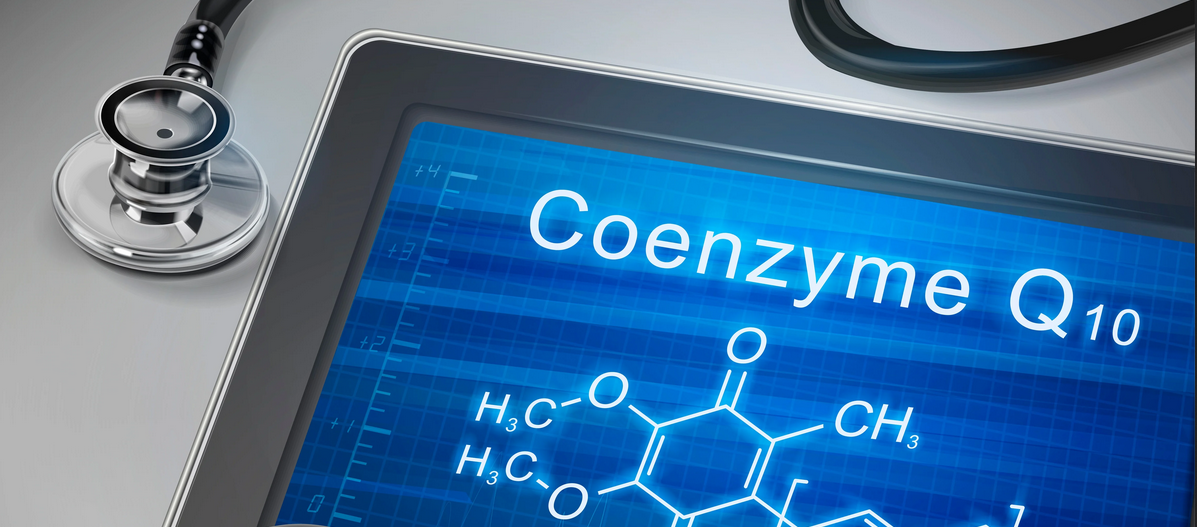
Over the last month or so, we’ve discussed the studies showing CoQ10 to reduce mortality in heart failure patients and the elderly. We’ve looked at the bioavailability and cost-effectiveness of different CoQ10 formulations. We’ve also examined just how much CoQ10 you can realistically ingest via your diet, even when including large amounts of organ meats.
No discussion on supplementing any nutrient would be complete without a discussion on safety and possible interactions with medications.
CoQ10 supplements have shown themselves to be generally very safe, even when administered at high dosages that most of us are unlikely to ever need. However, there are some issues to be aware of.
The content below was originally paywalled.
Some of the side effects reported for CoQ10 use are insomnia, a rise in liver enzymes, rashes, nausea, abdominal pain, dizziness, sensitivity to light, irritability, headache, heartburn, and fatigue.
Gastrointestinal Disturbances
While relatively rare, these are the most frequently reported side effects seen with CoQ10 supplementation.
Most vitamin and mineral supplements, especially those containing fat-soluble compounds, should be consumed with meals. When healthy Italian subjects were randomly assigned to take 300 mg daily of vitamin E for 15 days on an empty stomach or during dinner, the latter group experienced much greater increases in plasma vitamin E (84% versus 29%, respectively).
Consumption of fat-soluble nutrients such as β-carotene or vitamin E is enhanced when fat-rich foods like avocado or egg are added to a meal.
So we’d reasonably expect CoQ10 absorption to be higher when consumed with meals, and higher again with fat-containing meals. However, research examining this question is limited. Langsjoen et al reported in 1994 that, among sixteen CVD patients, chewing CoQ10 capsules (presumably softgels) with peanut butter produced a more than 2-fold greater increase in blood CoQ10 levels than swallowing the capsules whole without a fat-rich food.
As discussed in the previous installment, dividing the dose of CoQ10 into 2 or 3 smaller daily servings has been shown to increase blood CoQ10 levels. Theoretically, this could help reduce gastrointestinal symptoms due to the smaller bolus of CoQ10 requiring digestion at each serving, but this hasn’t been studied.
Whether high-absorption CoQ10 formulations, such as ubiquinol or crystal-free ubiquinone, can reduce gastrointestinal symptoms is another question that remains unanswered in the literature.
Insomnia
Reports of sleep disturbances during clinical trials with CoQ10 are rare. In fact, during a three-month Italian multicenter study in which 2,664 heart failure patients used 50-150 mg CoQ10 daily, many participants reported improvements in sleep. Of the 1,597 who complained of insomnia at the start of the study, 63% reported improvement after 3 months of CoQ10 treatment.
Thirty-eight adverse reactions were reported during the study, 22 of which were considered probably due to CoQ10 treatment. These included nausea/gastrointestinal side effects (19), rash (2), and irritability (1).
In a 5-year trial, Huntington’s Disease patients given a very large daily dose of 2,400 mg CoQ10 reported less insomnia than the placebo group (11.6% vs 20.9%, respectively).
However, while reports of CoQ10-related sleep disturbances in the literature are rare, there have been anecdotal reports of severe insomnia after commencement of CoQ10 supplementation.
In this 2021 YouTube video, an individual by the name of Jose Ancer describes severe insomnia that developed soon after commencing CoQ10 supplementation. This led to anxiety and even benzodiazepine dependence, before CoQ10 was identified as the instigator. The formulation or dosage of CoQ10 is not mentioned.
In 2022, an individual with the moniker “NB” posted a harrowing account of insomnia that allegedly developed after commencing Ubiquinol Gold, a product by NutriGold that features 100 mg Kaneka-QH ubiquinol per capsule. The author reports “a horrible case of insomnia [that] has persisted for 36 months now without abate.” While one would assume the author discontinued the CoQ10, this is not mentioned, nor is the dosage used.
No-one knows exactly how CoQ10 could interfere with sleep in such a manner, but it may have something to do with CoQ10’s crucial role in energy production. It may be that some people are hyper-sensitive to supplemental CoQ10.
If you are prone to insomnia or are concerned about potential sleep disturbances, some tips include:
Start with a lower dosage (50-100 mg per day) and slowly increase if necessary.
Take CoQ10 with breakfast or lunch. Avoid taking CoQ10 in the evening and close to bedtime hours.
CoQ10 Side Effects in Clinical Trials
Healthy Subjects
In a 2006 paper, Japanese researchers (two of whom, it must be pointed out, worked for Kaneka) reported on the results of an experiment involving high doses of CoQ10 supplements.
The researchers had randomized 88 healthy adults to consume Kaneka Q10 for 4 weeks at doses of 300, 600, and 900 mg daily in a double-blind, placebo-controlled study. Kaneka Q10 is the company’s ubiquinone (ubidecarenone) product, produced via fermentation of yeast. It is the ingredient used by many supplement companies in their ubiquinone products.
In the Kaneka Q10 intake groups, total plasma CoQ10 concentration reached a maximum in two weeks, after which it remained stable to 4 weeks. By two weeks after withdrawal, the plasma CoQ10 concentration had decreased to basal level.
No serious adverse events were observed in any group. Adverse events were reported in 16 volunteers with placebo, in 12 volunteers with the 300 mg dose, in 20 volunteers with the 600 mg dose, and in 16 volunteers with the 900 mg dose.
The most commonly reported events included common cold symptoms and gastrointestinal effects such as abdominal pain and soft feces. These events exhibited no dose-dependency and were judged to bear no relationship to Kaneka Q10.
Parkinson’s Disease Patients
Shults et al 2002 reported on a double-blind trial in which eighty early stage Parkinson’s disease patients were randomly assigned to placebo or CoQ10 at dosages of 300, 600, or 1,200 mg daily. They were followed up for 16 months or until disability requiring treatment with levodopa had developed.
Using the Unified Parkinson Disease Rating Scale, CoQ10 subjects showed slower deterioration than placebo patients, and the benefit was greatest in subjects receiving the highest dosage.
Coenzyme Q10 was well tolerated; no dosage reductions were required in any of the treatment groups. The percentages of subjects receiving coenzyme Q10 who reported any adverse event were not significantly different from the placebo group (300 mg/day, 90%; 600 mg/d, 60%; 1,200 mg/d, 91%; placebo, 81%).
Most adverse events were mild, differences among treatment groups were not significant, and no significant trend by dosage was found for adverse events.
Increased tremor, lower-back pain, and increased nocturia (waking at night to urinate) developed in one subject receiving 1,200 mg/d and who prematurely terminated. This subject was non-compliant, and the investigator did not believe the symptoms were related to CoQ10 supplementation.
Based on these promising results, Shults et al 2004 examined the effect of escalating dosages CoQ10 (1,200, 1,800, 2,400, and 3,000 mg/day) on 17 Parkinson’ disease patients. The subjects spent two weeks at each dosage, before it was increased.
All of the subjects were receiving medication for their Parkinson’s. This included levodopa (13), selegiline (8), dopaminergic agonist (6), amantadine (1), entacapone (1), anticholinergic drug (1).
The researchers report the very high dosages of coenzyme Q10 were “generally well tolerated.” However, four of the 17 subjects did not achieve the highest dosage of 3,000 mg/day due to adverse events. Two of the events were not related to CoQ10 treatment, one was uncertain, the other was deemed likely due to CoQ10. The latter involved a 61-year-old man who noted mild dyspepsia after beginning CoQ10. At 2,400 mg/day, the episodes of ‘‘acid reflux’’ became more bothersome, and the patient discontinued CoQ10. The dyspepsia was considered likely to be related to the CoQ10 treatment.
Huntington’s Disease Patients
Huntington’s disease is a progressive neurodegenerative disease that causes uncontrolled movements, emotional changes and a decline in cognition.
The Huntington’s Disease Study Group performed a series of CoQ10 studies in patients with Huntington’s disease. Because CoQ10 was well-tolerated and evinced a good safety profile, the dosage was increased with each trial. This culminated in a randomized, double-blind trial of coenzyme Q10 in which 609 early-stage Huntington’s patients were assigned to either placebo or 2,400 mg of CoQ10 daily.
Patients started with a CoQ10 dose of 300 mg, followed by subsequent 4-week increments towards the maintenance dosage of 2,400 mg/day.
Unfortunately, CoQ10 demonstrated no discernible beneficial effect on the primary or secondary outcomes, and the trial was terminated early.
By the time the trial was aborted, 206 (34%) of the subjects had completed 5 years of follow-up, while 91% of patients had completed 1 year of follow-up.
Forty-six dosage reductions occurred in 29 patients (11 placebo, 18 CoQ10), most commonly for gastrointestinal disturbances. Thirteen of these patients (5 placebo, 8 CoQ10) were discontinued from their assigned treatment either by patient or investigator decision, while the remainder were able to continue on either a reduced or original dosage.
A total of 238 serious adverse events were reported in 159 patients (27.1% of patients in the placebo group and 25.1% in the CoQ10 group). The majority were believed to be due to Huntington’s and not to treatment assignment. While the death rate was higher in the CoQ10 group, none of the deaths were believed to be related to the treatment.
Children
As there is currently no medical rationale for supplementation of CoQ10 in healthy infants, children and adolescents, published studies of CoQ10 supplementation in this demographic have invariably involved subjects with clinical disorders; these include primary CoQ10 deficiency, acyl CoA dehydrogenase deficiency, Duchenne muscular dystrophy, migraine, Down syndrome, ADHD, idiopathic cardiomyopathy and Friedreich’s ataxia.
A review of these studies identified none in which serious adverse effects attributable to CoQ10 supplementation were reported. Adverse effects associated with CoQ10 supplementation were uncommon and mild; gastrointestinal disturbance was the most common side effect reported.
Potential Interactions With Medications
CoQ10 has been best-studied as a therapy for cardiovascular disease, particularly heart failure. Cardiovascular medications are among the most commonly-prescribed drugs, so it’s important to know about any possible interactions.
Warfarin
Warfarin is routinely used with cardiovascular patients to prevent blood clots. Its common description as a "blood thinner" is technically incorrect, as it does not reduce blood viscosity but inhibits blood coagulation by blocking an enzyme responsible for vitamin K1 recycling, thus depleting active vitamin K1 (vitamin K, especially K1, plays a crucial role in blood coagulation).
While warfarin use has markedly declined over the last decade or so as new anticoagulants have entered the market, it remains widely prescribed. In 2022, it was the 85th most commonly-prescribed drug in the US with over 8.1 million prescriptions.
Dosing of warfarin, whose first commercial use was rat poison, can be a touchy endeavor as it interacts with many other commonly used medications, vitamin K-rich foods and supplements. Among the “natural” items reported in the literature as potentially interacting with warfarin are cranberry juice, birch, St John’s Wort, Salvia miltiorrhiza (aka red sage, redroot sage, Chinese sage, or danshen), garlic, ginseng, saw palmetto, high-dose vitamin C, papaya extract, green tea, dong quai, and CoQ10.
CoQ10 is chemically similar to menaquinone (vitamin K-2) and may reduce the efficacy of warfarin, although the evidence is mixed.
To optimize the therapeutic effect and minimize the risk of dangerous side effects such as bleeding, the anticoagulant effect in warfarin patients is (or should be) closely monitored by a blood test that measures what’s known as the International Normalized Ratio (INR). This is a universal measurement used to determine how fast the blood clots - too high, and the risk of serious bleeding events increases; too low, and the risk of clotting events increases.
In a brief 1994 report, Olav Spigset from Norrland University Hospital, Umea, Sweden described three patients receiving warfarin for clotting disorders. All reportedly experienced declines in their INR readings after using CoQ10; the INR measurements rose again after CoQ10 was discontinued. Two of the patients were also taking 3-4 other medications, and used a CoQ10 dose of 30 mg daily. For the other patient, warfarin was the only medication and the CoQ10 dose was unknown.
Landbo & Almdal 1998 from Denmark reported on a 72-year-old female treated with warfarin who “showed less responsiveness to warfarin than previously.” It “appeared” she’d taken CoQ10, and when it was stopped, her responsiveness to warfarin returned to its previous level. The non-English report appeared in a Danish journal, and I’ve not been able to locate a full text version, only the translated PubMed abstract.
Based on these less-than-extensive case reports, another group of Danish researchers decided to investigate the matter in a controlled setting. Engelsen and colleagues performed a randomized crossover trial involving twenty-four patients (aged 33-79 years) treated with stable, long-term warfarin for recurrent venous thromboembolism, mechanical heart valves, or chronic atrial fibrillation.
The trial was divided into three four-week phases, each separated by a two-week washout period. During these four-week phases, the patients consumed in random order:
Placebo;
100 mg CoQ10 (Pharma Nord’s Bio-Quinone)
100 mg Pharma Nord ginkgo biloba, a herb which has been speculated to increase the bleeding risk from warfarin.
Twenty-one patients completed all three phases. No major bleedings or thromboembolic events were observed. The mean INR value did not differ during treatments, remaining at 2.7 during the placebo, CoQ10 and ginkgo biloba phases.
As to why their findings contrasted with those of the earlier case reports, the researchers proffered that unstable warfarin use, use of supplements containing impurities, and/or development of other health conditions that prompted the supplement use may have confounded the diagnoses.
Although their small trial did not find any interaction between CoQ10 (or ginkgo) and warfarin, the researchers erred on the side of caution and recommended close monitoring of INR should a patient decide to use these or any other health care products.
If you are on warfarin, consult the health care provider managing your anticoagulant therapy before commencing CoQ10. Blood tests to assess clotting time should be monitored frequently, especially in the first two weeks of concomitant CoQ10 and warfarin use.
A similar caution applies to other anticoagulants that work by interfering with vitamin K metabolism (anisindione, dicoumarol, acenocoumarol, phenprocoumon, fluindione, etc).
Other CVD Drugs
Cholesterol-lowering statin drugs are well-known to lower CoQ10 levels. No adverse interaction between CoQ10 supplements and statin use has been cited. In fact, some researchers and doctors recommend that statin users supplement with CoQ10.
If I were a doctor, I’d go one step further and recommend that people avoid statins altogether. Like antidepressants, vaccines and ‘COVID’ gene therapies, they are an egregious fraud built upon a false premise - in this case, the absurd and thoroughly disproved notion that the essential and highly beneficial substance known as cholesterol causes heart disease and stroke.
Calcium-channel blockers are another commonly-prescribed class of drugs, used to treat angina, hypertension and some arrhythmias. These drugs block the uptake of calcium into cells which, in turn, helps arteries dilate, lowers blood pressure, reduces the force of contraction of the heart, and slows down the heart beat.
I have been unable to find any reports of adverse interactions between CoQ10 and calcium-channel blockers.
Theophylline
Theophylline is a drug used to treat asthma and chronic obstructive pulmonary disease (COPD). While no case reports have been published (that I am aware of) citing an interaction between the two substances in humans, animal research suggests it’s a possibility.
In an experiment with rats, Korean researchers administered 300 mg/kg, 600 mg/kg or 1,200 mg/kg of CoQ10 for five days prior to a single dose of theophylline. Compared to control treatment, all doses of CoQ10 greatly increased the time it took for theophylline to reach peak blood levels. This prolonged exposure significantly increased both the peak and total blood levels of theophylline.
While no human data seems to be available, anyone wanting to use CoQ10 along with theophylline should exercise caution and consult their doctor.
Insulin and Glycemic Drugs
Research on the glycemic effects of CoQ10 is mixed.
After receiving reports from several Type 1 diabetes patients that they experienced hypoglycemic episodes and a reduced insulin requirement after initiating CoQ10, Danish researchers decided to run a trial. Thirty-four diabetic patients were randomized in double-blind fashion to either 100 mg CoQ10 (Bio-Quinone) daily or placebo for 12 weeks.
Overall, there was no improvement in glycemia, and no differences in glycemic control or in total insulin dose were observed between the CoQ10 and placebo groups. There was also no difference in the number of reported hypoglycemic episodes. Blood pressure also remained unchanged and did not differ between the two groups.
A more recent double-blind, randomised, placebo-controlled trial involving fifty Taiwanese Type 2 diabetics had a different outcome. This time, a liquid ubiquinol formulation at a dose of 100 mg/day for 12 weeks led to a significant decrease in HbA1c values, and a decrease in the percentage of subjects using anti-diabetic drugs. In the case of thiazolidinediones, this decrease was statistically significant, with the proportion of patients using this class of drugs dropping from 25% to 8·3%.
Again, prudence dictates that anyone using insulin or anti-diabetic drugs should closely monitor their glycemic status after commencing CoQ10 therapy.
Clinical Observations
Cardiologists Langsjoen et al have used CoQ10 extensively in clinical practice, and have published numerous papers on the topic. Below is a discussion of two of their reports that provide insight into “real world” use of CoQ10 in patients taking an array of cardiovascular medications.
Langsjoen et al 1994 reported on 424 patients with various forms of cardiovascular disease treated with CoQ10 (ubiquinone) between 1985-1993. The mean dose was 242 mg/day, with a range of 75 to 600 mg/day. The authors report that among 297 patients whose dose was adjusted and whose CoQ10 blood levels were followed, the average dose of 242 mg produced a whole blood CoQ10 level of 2.92 µg/ml (3.39 µmol/L).
The authors report that no apparent side effects from CoQ10 treatment were noted other than a single case of transient nausea.
Before treatment with CoQ10 , most patients were taking from one to five cardiac medications. During the study, overall medication requirements dropped considerably: 43% stopped between one and three drugs. Only 6% of the patients required the addition of one drug. This should give you a strong clue as to why such a potentially life-saving but non-patentable treatment remains woefully understudied and underused in our Big Pharma-owned medical system.
It also underscores that if you are a patient and commence taking CoQ10, it is important to collaborate with your doctor so that adjustments to your medication regimen can be made if and when necessary.
As patients demonstrated a significant decrease in arrhythmias, the researchers documented a 19% decrease in the usage of digoxin, a 51% decrease in the use of beta-blockers, and a 61% decrease in the use of other antiarrhythmic drugs.
As patients with ischemic heart disease demonstrated a significant decrease in angina, they documented a 27% decrease in the use of long-acting nitrates. In addition, with improvement in blood pressure control, they observed a 24% decrease in the use of calcium channel blockers, a 32% decrease in angiotensin converting enzyme inhibitors, and a 37% decrease in the use of other antihypertensive drugs.
During and after the decrease and elimination of the identified medications, patient condition remained improved.
Noted the authors: "CoQ10 is virtually free of side-effects, does not interfere with surgical treatments, and does not interact with commonly prescribed medications (except, perhaps, to make one or more of them unnecessary)."
A more recent report by Langsjoen and Langsjoen examined the use of Kaneka-source ubiquinol in seven end-stage heart failure patients. All seven patients exhibited improvement when switched from an average dose of 450 mg/day of ubiquinone to 580 mg/day of ubiquinol.
Conventional therapies used by the patients, including digitalis, diuretics, potassium, angiotensin converting enzyme (ACE) inhibitors, angiotensin receptor blockers, beta blockers, nitrates, antiarrhythmics and warfarin, were either left the same or adjusted according to changing clinical status. The authors observed no side effects or drug interactions with CoQ10 therapy, including no adverse interaction evident in the four patients using warfarin.
One of the patients was a a 66 -year-old male with ischemic heart disease. By June 2006, his condition was dire: He exhibited NYHA class IV heart failure symptoms and a 15% ejection fraction. He was switched from regular ubiquinone to ubiquinol at 450 mg/day and by September 2006, his plasma CoQ10 had dramatically increased to 7.8 µg/ml with an improvement in his ejection fraction up to 35%. After eight months, the patient increased his ubiquinol dose to 900 mg/day of his own volition and continued to improve. By February 2008 his ejection fraction was up to 60%, his clinical status had dramatically improved to NYHA class I, and his plasma CoQ10 increased further to 9.3 µg/ml. At the time of the case report, he had been supplementing with ubiquinol for twenty months.
In Summary
CoQ10, in both ubiquinone and ubiquinol forms, is generally very safe and well-tolerated. No serious adverse events attributable to CoQ10 supplementation have been reported in over 200 clinical trials, at dosages up to 3,000 mg per day and for time periods up to 5 years.
The risk of interaction with commonly prescribed medications appears low. Potential interaction with anticoagulants that ‘antagonize’ vitamin K - most notably warfarin - is the most likely, at least in theory.
While reactions to CoQ10 are rare, individuals vary widely in their response to drugs and supplements. Some people appear to be far more sensitive to the adverse effects of certain compounds than others.
If you are taking medication, it is advisable to research potential adverse interactions for the drug'/s you have been prescribed, as doctors cannot realistically be aware of every possible interaction. Closely monitor your response upon commencement and withdrawal of any new supplement. In the case of anticoagulants like warfarin, this should be done under medical supervision.
Even if no acute adverse interactions occur, CoQ10-induced improvements in your condition may necessitate a dosage reduction or even discontinuation of a medication, as noted in the Langsjoen reports.
Also check the supplement label to see what other ingredients are included in the product. While the primary ingredient may not cause issues, some of the other ingredients might. For example, after rummaging through the pantry of a family member, I came upon a bottle of 300 mg CoQ10 capsules from Bioglan, a long-established Australian company. The other ingredients are listed as phenylalanine, soya bean products, sulfites, propolis and royal jelly. The amount of these additional ingredients is not shown. L-phenylalanine will exacerbate symptoms of phenylketonuria if used by phenylketonurics, and was reported to exacerbate tardive dyskinesia in some schizophrenia patients. Phenylalanine can also act as a calcium-channel antagonist, and L-Phenylalanine-induced secretion of CCK was inhibited in vitro by the calcium channel blocker diltiazem (Cardizem). Whether phenylalanine could interact with calcium channel blockers in sensitive human patients is unknown, but why complicate matters - if you are on medication or have a history of sensitivity to novel compounds, choose a CoQ10 product with minimal additives and no other known active compounds, so that you are introducing one new variable at a time.
Before I close off this CoQ10 series, I want to profusely thank all my paid subscribers. You are the ones who put your money where your mouth is, so to speak. I welcome your feedback and any suggestions on article topics. Unfortunately, my time is limited and I can’t guarantee I will address every possible suggestion or question, but if a recurring theme or a new fad that presents a clear and present danger arises, then I’ll try and address it.
Leave a Reply